


Introduction: The State of Cold Email in a Skeptical World
The reports of cold email’s death have been greatly exaggerated. Yet, in the landscape of 2025, the channel is undeniably transformed. The era of “spray-and-pray”—blasting thousands of generic templates in a brute-force numbers game—is definitively over, rendered obsolete by sophisticated spam filters, inbox clutter, and an increasingly skeptical B2B buyer. Success is no longer a game of volume; it is a game of relevance.
Despite the challenges, email remains a dominant and preferred channel for initial business communication. Recent data shows that 68% of B2B decision-makers still prefer email for cold outreach, with 61% citing it as their primary channel for professional correspondence. This presents a paradox: the most preferred channel is also one of the most difficult to master. A staggering 95% of cold emails fail to generate a reply, and average response rates have fallen to a modest 5.1% to 5.8%.
The reason for this massive failure rate is not a mystery. When surveyed, 71% of decision-makers state they ignore emails for one simple reason: a lack of relevance to their specific needs and challenges. The modern B2B buyer’s inbox is a fortress, and relevance is the only key that grants entry.
This guide provides a definitive blueprint for navigating this new reality. It introduces the 5-Pillar Framework for High-Conversion Cold Outreach, a systematic approach designed to address the modern challenges of deliverability, inbox noise, and reader skepticism. By mastering these five pillars, sales and marketing teams can transform their cold email strategy from a source of frustration into one of their highest-performing and most predictable lead generation engines.
Pillar 1: The Unseen Foundation – Mastering Deliverability and Targeting
Before a single word of compelling copy is written, the success of a cold email campaign is largely determined by an unseen technical and strategic foundation. A brilliantly crafted message is worthless if it lands in a spam folder or is sent to an uninterested party. This foundational pillar is about ensuring every email has the maximum possible chance to be seen by the right person.
Why 17% of Your Emails Never Arrive
A significant portion of cold outreach fails before it even begins. Analysis shows that approximately 16.9% of emails never reach the primary inbox, falling victim to bounces and increasingly aggressive spam filters. This is the silent killer of campaigns, and combating it requires a non-negotiable technical setup.
The “cost of entry” for modern cold emailing involves three critical domain authentication records: SPF, DKIM, and DMARC.
- SPF (Sender Policy Framework): This record specifies which mail servers are authorized to send emails on behalf of a domain, preventing spoofing.
- DKIM (DomainKeys Identified Mail): This adds a digital signature to every email, allowing the receiving server to verify that the message was sent from an authorized source and has not been altered in transit.
- DMARC (Domain-based Message Authentication, Reporting, and Conformance): This policy instructs receiving servers on how to handle emails that fail SPF or DKIM checks, providing a crucial layer of protection and reporting.
Setting up these records is no longer an optional IT task; it is a fundamental requirement for establishing legitimacy with inbox providers like Google and Microsoft, who act as the primary gatekeepers to prospects.
Beyond authentication, sender reputation must be actively cultivated through a process known as domain warm-up. Sending hundreds of emails from a new domain on the first day is a major red flag for email service providers. Instead, specialized warm-up tools are used to gradually increase sending volume over several weeks. These tools automate the process of sending and receiving emails with a network of other inboxes, simulating positive human-like engagement (opens, replies, marking as important) to build a history of trust and a positive sender reputation. This technical groundwork is the first step in building trust, not with the prospect, but with the algorithms that decide if a message is even seen.
Building Lists That Beg for a Reply
With the technical foundation in place, the focus shifts to the strategic foundation: the prospect list. The quality of this list is a paramount predictor of success. One framework suggests that cold email outcomes are determined 30% by content, 30% by list quality, and 50% by the follow-up strategy, highlighting that even masterful copy will fail if sent to the wrong audience.
Data consistently shows that quality trumps quantity. Small, highly targeted campaigns with fewer than 100 recipients consistently yield the highest reply rates, averaging around 5.5%. This necessitates a shift away from broad, demographic-based targeting (e.g., “VPs of Marketing in the SaaS industry”) toward hyper-segmented lists built around specific, timely intent triggers.
These triggers are events or actions that signal a prospect is likely facing a challenge that a product or service can solve right now.
Examples of powerful intent triggers include:
- A company posts a job advertisement for a role that a service can augment or replace.
- A startup announces a new round of funding, indicating imminent growth and budget allocation.
- A business is mentioned in the news for a specific achievement or challenge.
- A company begins using a competitor’s technology, opening an opportunity for a competitive displacement campaign.
Building lists around these triggers ensures that the outreach is not just personalized, but immediately relevant to the prospect’s current business context, dramatically increasing the likelihood of engagement.
Pillar 2: The Anatomy of a Reply-Worthy Cold Email
Once an email is guaranteed to land in the right inbox, its content faces the ultimate test: earning a moment of the recipient’s attention. Every component, from the subject line to the signature, must be meticulously crafted and optimized based on current performance data.
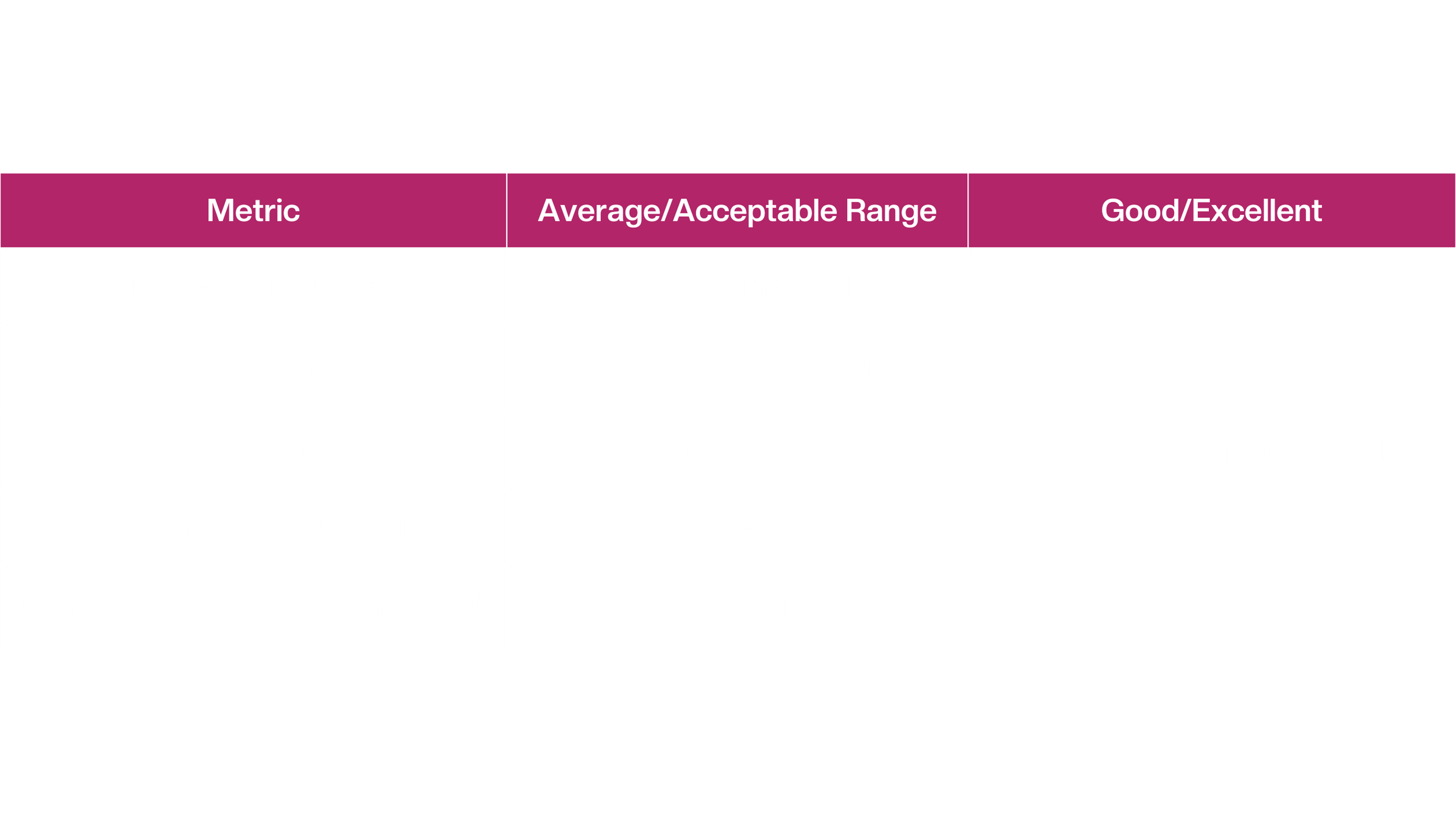
To set the stage, it is crucial to understand the new performance landscape. The following benchmarks, synthesized from recent industry analyses, provide a clear reference for what constitutes average, good, and excellent performance in 2025.
B2B Cold Email Benchmarks for 2025
Sources:
These numbers underscore the challenge; only the top performers consistently break through the noise. The following sections dissect how they do it.
The Subject Line: Your 5-Word Audition
The subject line has one job: to get the email opened. However, in 2025, its role is more nuanced. It must earn the open by sparking curiosity without revealing the entire pitch. Data indicates that personalized subject lines can boost open rates by up to 50%.
Best practices for high-converting subject lines include:
- Brevity: Keep them under 50 characters, with 1-3 words often performing best, as this length is optimized for mobile previews and creates intrigue.
- Casual Tone: Using all lowercase letters can make an email feel more personal and less like a corporate marketing blast.
- Curiosity, Not Sales: Avoid sales-oriented or spammy words like “free,” “guaranteed,” or “act now.” The goal is to create a question in the prospect’s mind that can only be answered by opening the email.
Examples of effective subject lines include:
- Curiosity-Driven: “question about [company name]”
- Personalized: “saw your LinkedIn post on”
- Pattern Interrupt: “Wait… this can’t be right”
The First Sentence: Winning the Preview Pane
The strategic importance of the opening line has surpassed that of the subject line. Most modern email clients display the sender, subject line, and the first few words of the email body in the inbox preview. This “preview pane” provides a holistic first impression, and prospects make a split-second judgment based on this combined information. The first sentence’s job is to instantly validate the subject line’s intrigue and signal relevance.
The cardinal rule for the opening line is: do not introduce yourself. The first sentence must be 100% about the recipient, leveraging the trigger-based research from Pillar 1.
Effective opening lines that interrupt the pattern of self-centered sales emails include:
- “Noticed your team is hiring SDRs—means pipeline might be stretched?”
- “Your recent LinkedIn post about scaling paid ads caught my eye, as it relates directly to the work we do with companies like yours.”
This approach inverts the traditional email funnel. The subject line and opening line must be written and tested as a single, cohesive unit. The subject line frames the first sentence, and the first sentence earns the click that registers as an “open.”
The Body: A Micro-Dose of Value
Once the email is open, the body must deliver value concisely. The optimal length for a cold email is between 50 and 125 words, or roughly 6 to 8 sentences. Emails within this range have been shown to achieve the highest reply rates, with performance dropping significantly as length increases.
The body should focus on one clear idea and lead with outcomes, not features. This is where social proof becomes critical for building credibility quickly. Instead of making generic claims, use specific, quantifiable results achieved for similar companies.
Two effective frameworks for structuring the body are:
- PAS (Problem-Agitate-Solve): Identify a likely problem, agitate it by highlighting its negative consequences, and then present a solution.
- BAB (Before-After-Bridge): Paint a picture of the prospect’s world before a solution (the current state of pain), describe the world after the solution is implemented (the desired state), and position the product as the bridge to get there.
The Call-to-Action (CTA): Asking for Interest, Not a Meeting
The final component, the CTA, is where most cold emails fail. High-friction requests, such as “Schedule a 30-minute demo,” create resistance and are premature for a first contact. The goal of a cold email CTA is not to book a meeting but to start a conversation. This is achieved through a low-friction ask that is easy for the prospect to say “yes” to, thereby creating momentum.
The strategy is to shift from asking for a commitment of time to simply gauging interest.
Examples of effective, low-friction CTAs include:
- “Worth a 10-minute conversation, or am I off base?”
- “Open to seeing how achieved this?”
- “Is this even remotely relevant to your priorities right now?”
These questions are simple, respectful of the prospect’s time, and require only a brief, low-effort response to move the conversation forward.
Pillar 3: The Engine of Conversion – Personalized Cold Email Outreach
Personalization is the single most powerful lever for improving cold email performance. In a world of automated outreach, a message that demonstrates genuine research and relevance stands out dramatically. Data confirms this: personalized emails see a 32% higher response rate, and campaigns that go beyond basic merge tags can achieve reply rates as high as 18%, more than double the rate for generic templates. Furthermore, 73% of decision-makers explicitly state that personalization is a key factor in whether they engage with cold outreach.
However, the nature of personalization has evolved. What was once a differentiator is now a complex, multi-layered strategy.
The Levels of Personalization
Effective personalization can be understood in three tiers:
- Level 1 (Basic): This involves using standard merge tags like {{FirstName}} and {{CompanyName}}. While necessary, this level is now considered table stakes and offers minimal performance lift on its own.
- Level 2 (Persona-Based): This approach involves tailoring the message to a specific professional persona by referencing common job titles, industry challenges, or shared goals. This method is highly scalable and effective for segmenting larger campaigns. For example: “As a VP of Sales, I imagine Q4 pipeline generation is top of mind as you plan for the new year.”.
- Level 3 (Hyper-Personalized): This is one-to-one personalization based on deep, individual research. It involves referencing a specific piece of content the prospect created, a recent company achievement, or a comment they made in a public forum. This level requires the most effort but yields the highest response rates.
Scaling Personalization Without Sounding Like a Robot
The primary challenge in 2025 is achieving personalization at scale without falling into the “AI tone” trap. Prospects have become adept at identifying flat, generic text generated by AI without human oversight. It lacks genuine insight and feels impersonal, defeating the purpose of personalization.
The solution is not to abandon technology but to implement an “AI-Assisted, Human-Refined” workflow:
- Automate Research: Use modern prospecting tools like Apollo.io, Clay, or SmartWriter to scrape relevant data points and intent triggers at scale. These platforms can identify recent hiring trends, technology stack changes, and relevant LinkedIn activity across thousands of prospects.
- Generate First Drafts with AI: Feed these specific data points into AI-powered copywriting assistants, such as Lavender or Jasper, to generate personalized opening lines or entire email drafts. This dramatically reduces the manual effort of writing from scratch.
- Apply Human Refinement: This is the most critical step. A human must review and edit the AI-generated output. The goal is to add nuance, ensure the personalized snippet connects logically to the core value proposition, and inject a genuine, human tone that AI often struggles to replicate.
This hybrid approach allows teams to leverage the speed of AI for data gathering and initial drafting while retaining the authenticity and strategic thinking that only a human can provide.
It is crucial to understand that not all personalization is created equal. The most effective outreach prioritizes relevance over personal trivia. Mentioning that a prospect attended the same university is personal but likely irrelevant to their business challenges. In contrast, mentioning that their company just hired ten new sales development representatives is both personal and highly relevant for a company selling sales training software. The goal is not simply to “show you know them,” but to “show you know what matters to their business
right now.”
Pillar 4: The Art of the Follow-Up – Turning Silence into Conversation
A single cold email does not constitute a campaign. The vast majority of conversions happen in the follow-up stages. Data shows that sending just one follow-up email can increase reply rates by as much as 65.8%, and comprehensive sequences of 4-7 emails can triple the response rate compared to single-touch campaigns. In fact, some studies suggest that 80% of sales require at least five follow-ups to close a deal.
However, there is conflicting data that requires careful interpretation. One analysis found that adding a third email to a sequence can actually decrease reply rates by up to 20%, while spam complaints and unsubscribe rates tend to grow with each subsequent message. This apparent contradiction reveals a critical truth about modern follow-ups: the quality and nature of the follow-up are what determine its success or failure.
The negative impact on reply rates is almost certainly caused by low-value, repetitive follow-ups—the dreaded “just checking in” or “bumping this to the top of your inbox” emails. These messages add no new value, signal desperation, and annoy busy professionals. Conversely, the dramatic positive impact comes from strategic, value-add sequences where each email provides a new, compelling reason to engage. The correct strategy is not to follow up less, but to follow up smarter, with each message designed to stand on its own merit.
Structuring a High-Performance 4-Step Sequence
An effective follow-up sequence is built on a foundation of strategic timing and evolving content. The cadence should respect the prospect’s inbox, with intervals gradually increasing over time. A proven structure is as follows :
- Email 1 (Day 1): The Personalized Opener
- Goal: Make a strong first impression with a hyper-relevant, personalized message that follows the anatomy outlined in Pillar 2.
- Email 2 (Day 3): The Value-Add
- Goal: Provide a new piece of tangible value. Do not simply repeat the initial ask.
- Content: Share a relevant case study that demonstrates a clear ROI, link to a short, insightful blog post that addresses a key pain point, or offer a specific observation about one of their direct competitors. The aim is to be helpful and demonstrate expertise.
- Email 3 (Day 7): The Gentle Nudge / Re-Angle
- Goal: Re-engage the prospect by reframing the value proposition or making it incredibly easy to reply.
- Content: Approach the initial problem from a different angle or use a simple, one-line question. For example: “Was my assumption about [pain point] off base?” This can often elicit a quick correction or confirmation, thereby starting a dialogue.
- Email 4 (Day 14): The Graceful Break-Up
- Goal: Close the loop professionally, which often triggers a response from prospects who were interested but busy. This email leverages the psychological principle of loss aversion.
- Content: Politely assume the timing isn’t right and state an intention to stop following up. This removes the pressure and often prompts a reply. Example: “I haven’t heard back, so I’ll assume this isn’t a priority right now and will close the file on my end. Please feel free to reach out if circumstances change in the future. Wishing you and the team all the best.”.
This structured, value-driven approach ensures that the sequence builds credibility and maintains professionalism, maximizing the chances of turning initial silence into a productive conversation.
Pillar 5: Advanced Tactics & Future-Proofing Your Strategy
To move from average performance into the top 5% of cold emailers, it is essential to adopt advanced tactics that go beyond the inbox. The most successful outreach strategies in 2025 are not isolated email campaigns but integrated, multi-channel efforts that use emerging technologies to create a pattern interrupt and build familiarity before the first email is even sent.
Beyond the Inbox: The Power of Omnichannel
Cold email is significantly more effective when it is part of a broader omnichannel sequence, particularly one that incorporates LinkedIn. Engaging with a prospect on a social platform before emailing them “warms up” the contact, transforming a cold outreach into a lukewarm one. This builds a crucial layer of familiarity and trust, which dramatically increases the probability of an open and a positive response.
A simple yet powerful omnichannel workflow might look like this:
- Day 1: View the prospect’s LinkedIn profile.
- Day 2: Like or leave a thoughtful comment on one of their recent posts.
- Day 4: Send a personalized LinkedIn connection request.
- Day 5: Send the first cold email.
When the email arrives, the sender’s name is no longer that of a complete stranger but of “that person from LinkedIn.” This “surround sound” effect is powerful; the success of a cold email is often determined by the actions taken outside the inbox before the message is ever sent.
The Video Edge: A Pattern Interrupt for the Inbox
Video is one of the most effective ways to cut through the noise and humanize outreach. Data shows that including personalized video messages can increase email click-through rates by over 300%, with video thumbnails driving exceptionally high engagement.
Best practices for using video in cold emails include:
- Use a Clickable Thumbnail: Do not embed the full video file, as this can trigger spam filters and hurt deliverability. Instead, use an animated GIF thumbnail that links to the video hosted on a landing page.
- Keep it Short and Authentic: The ideal length is 30-60 seconds. The goal is to establish a human connection, not to create a polished marketing video. Authenticity and a genuine tone will always outperform a flawless but robotic script.
- Follow a Simple Structure: A proven formula is Hook (why them?), Value (how it helps them), and CTA (a low-friction ask).
A/B Testing for Continuous Improvement
The cold email landscape is constantly evolving, and what works today may not work tomorrow. Therefore, a commitment to continuous improvement through systematic A/B testing is essential. Top-performing teams do not rely on assumptions; they let data guide their strategy.
Key elements to test include:
- Subject lines
- Opening lines
- Core value propositions and offers
- Calls-to-action
It is critical to change only one variable at a time between test groups to ensure that the results are statistically significant and the cause of any performance change can be accurately identified.
The Essential Tech Stack for 2025
Executing a modern cold outreach strategy at scale requires a sophisticated and integrated technology stack. The key categories and leading tools include:
- Prospecting & Data Enrichment: Apollo.io, Clay, Cognism
- Sending & Automation: Saleshandy, Smartlead.ai, Lemlist, Reply.io
- Personalization & Copywriting Assistance: Lavender, SmartWriter
- Deliverability & Warm-Up: Warmup Inbox, Folderly
Conclusion: Your Blueprint for Cold Email Success in 2025
The path to writing B2B cold emails that convert in 2025 is clear, though it demands more strategic rigor than ever before. The era of shortcuts is over. Success is built upon a foundation of five interconnected pillars: a flawless technical and strategic foundation, a perfectly crafted email anatomy, deep relevance-based personalization, a strategic value-add follow-up sequence, and the integration of advanced omnichannel tactics.
Ultimately, the most profound shift required is one of mindset. The key to converting prospects is to stop writing “marketing emails” and start writing messages that feel as though they came from a peer—a helpful, insightful expert who has done their homework and genuinely believes they can provide value. It is about facilitating a human-to-human connection, using technology as a powerful enabler rather than a substitute for genuine engagement. This is the blueprint for breaking through the noise and turning cold outreach into meaningful business relationships.